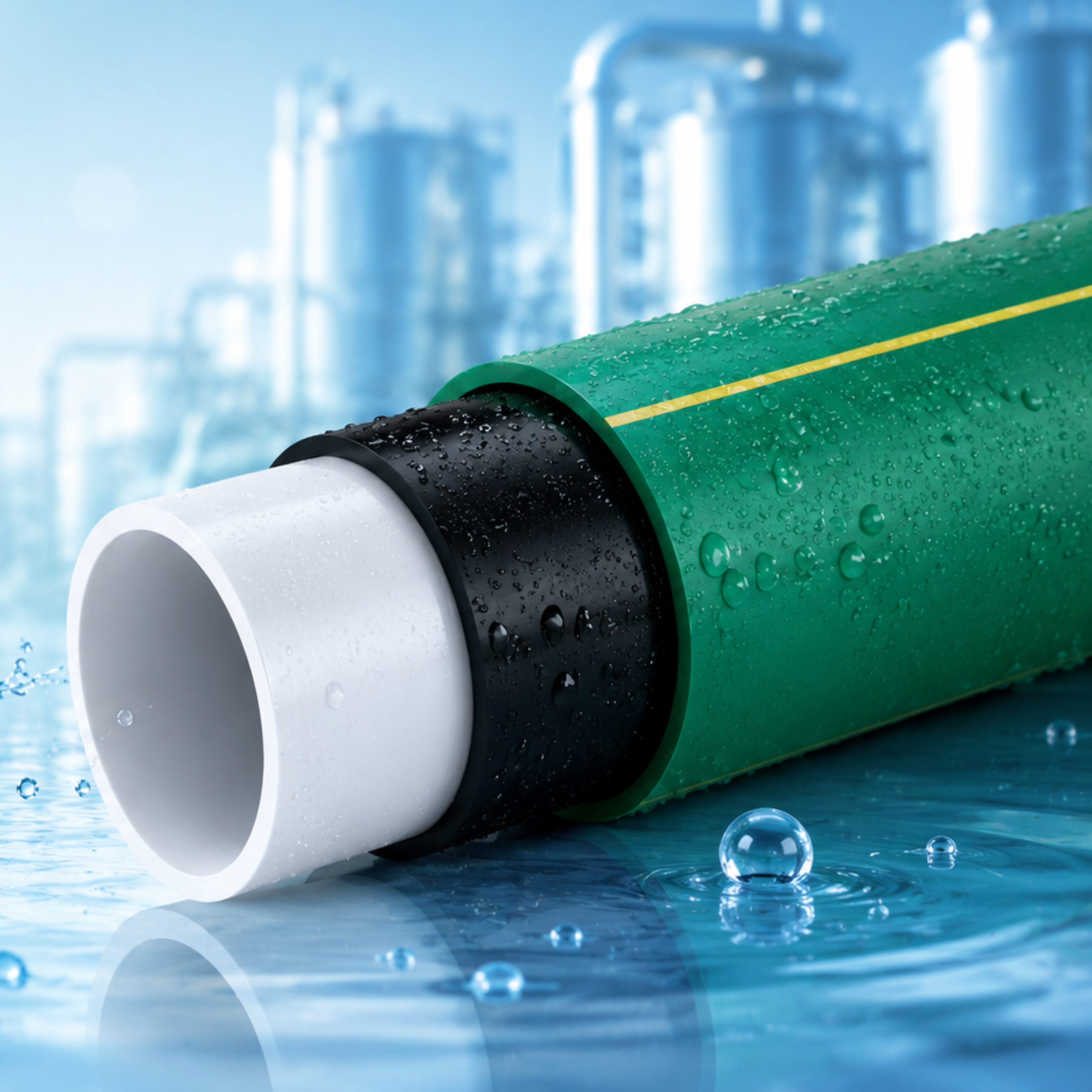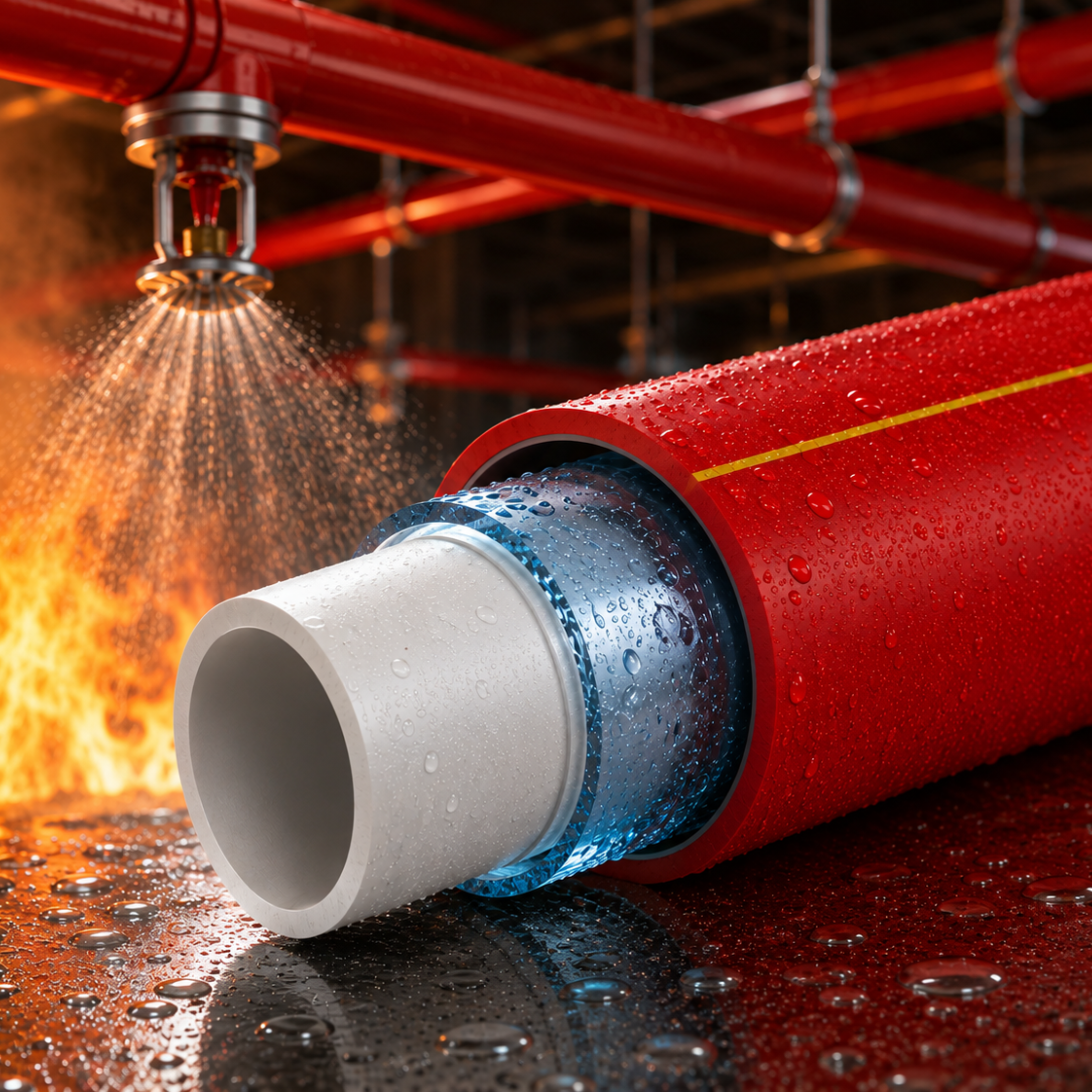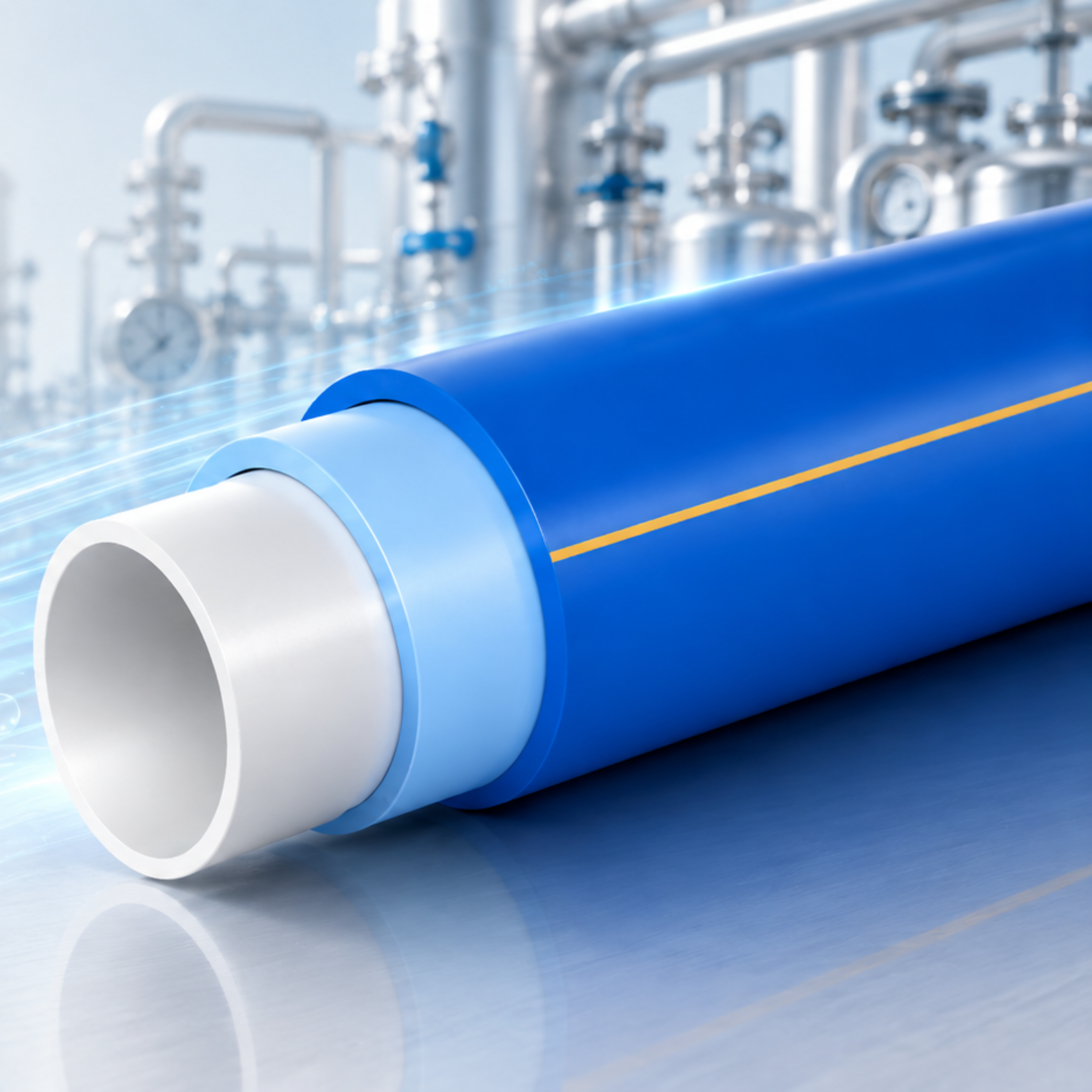
PPR Pipe Manufacturer and Supplier for the Food Industry
SHK delivers certified, hygienic PPR piping systems engineered for the demanding environments of food processing, beverage production, and dairy facilities.
Piping Challenges in the Food Industry
Food processing plants face daily piping challenges - from corrosion and chemical damage to hygiene risks. SHK's PPR pipes are built to solve them.
Corrosion and rust contamination
Metal pipes corrode over time, and rust particles mix into the water or liquid flowing through the line. In food processing, this directly risks product contamination and failed quality checks.
Harsh chemical exposure
CIP (clean-in-place) cycles use strong sanitizing chemicals, often daily. Ordinary pipe materials degrade faster under this kind of repeated chemical contact, leading to leaks and shorter pipe life.
Extreme temperature variations
Food plants often run hot sterilization cycles and cold storage lines side by side. Pipes that can't handle both temperature extremes tend to crack, warp, or lose their seal over time.
Bacterial growth risk
Rough interior surfaces and poorly sealed joints give bacteria a place to settle. This buildup is a serious food safety concern and can go unnoticed until it shows up in a quality audit.
Frequent joint leakage
Every joint is a potential failure point. In a food plant, a leaking joint doesn't just waste product - it opens the door for outside contaminants to enter the system.
High water wastage
Old or poor-quality piping systems lose water and product through slow leaks and inefficient flow, adding to daily operational costs.
Food-grade compliance issues
Piping material needs to meet specific hygiene and safety standards for food contact. Non-compliant material creates problems during certification and regulatory audits.
High maintenance downtime
Frequent pipe failures mean more repair work, and every repair means production downtime. For food plants running continuous processing lines, this adds up to real revenue loss.
Why should the Food Industry
choose SHK PPR Pipes?
Food processing plants can’t afford piping failures – not when hygiene, compliance, and continuous production are all on the line. SHK PPR pipes are built specifically to handle what food industry piping demands.
Food-Grade Raw Material
SHK PPR pipes are manufactured to be safe for food and water contact, with no risk of leaching harmful substances into the product line.
Corrosion-free
Since PPR is a polymer, it doesn't rust or corrode - even after years of continuous use. This means no metal contamination risk in your processing lines.
Handles hot and cold cycles
Built to perform across a wide temperature range, SHK PPR pipes stay stable whether the line is carrying hot sterilization water or chilled product.
Leak-free joints
SHK PPR pipes use heat fusion jointing, which creates a single continuous pipe with no weak points - unlike threaded or glued joints that loosen over time.
Long service life
SHK PPR pipes are built to resist wear, chemical exposure, and temperature stress over years of continuous use, giving food processing plants a piping system that lasts.
Lower maintenance
With strong resistance to daily wear and tear, SHK PPR pipes need far fewer repairs or part replacements - keeping production lines running without unplanned stops.
Trusted quality
SHK PPR pipes are manufactured with consistent quality control at every stage, giving food processing plants a piping solution they can rely on for continuous, safe operations.
Certified for reliability
SHK PPR pipes meet recognized industry standards, giving food processing units the assurance and documentation needed for compliance and audits.
Applications of PPR Pipes in the
Food Industry
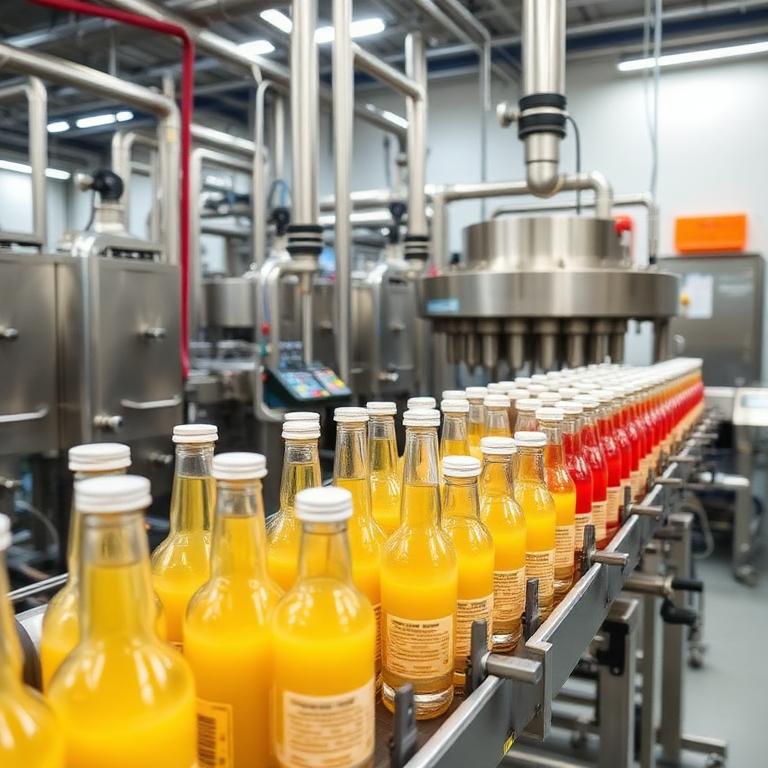
SHK PPR pipes fit across multiple points in a food processing plant, wherever safe, hygienic, and reliable water or liquid transport is needed.